

Showing posts with label part a#2. Show all posts
Showing posts with label part a#2. Show all posts
Friday, 10 February 2017

Thursday, 2 February 2017
Adaptation Part A - Infographic Questions
What is the definition of suicide?
Give the definition of what is a suicide, although people may understand what the term means many may overlook the extreme depression linked with the act.
What are the warning signs?
Explain the warning signs to people, as if they are picked up early on the individual can seek guidance, helpful advise or unload pressure onto a loved one.
What methods of suicide are attempted?
Give a detailed list of the attempted suicides to successful ones, once people are aware of these facts it would usually scare away individuals from the concept.
Is it selfish to take your own life?
Explain the selfishness of the act, the effects of not your life but the lives of people around you. Acknowledge depression is a footnote to the act but keep plugging that talking about your issues is key.
Can life get better?
Explain that life can get better, get the audience to ask the question if there are unfinished items of business? places to visit or people to see? Its key for this question to ask even further ones.
Where can I go to seek advise?
List the healthcare organisations with outreach programs, individuals the audience could approach to speak about their problems.
Tuesday, 31 January 2017
Adaptation Part A - Statistics and Advise

What method of suicide?
Gun Shot
Drug/Alcohol Overdose
Hanging
Poisoning
Carbon Monoxide Inhalation
Suffocation
Jumping
Exsanguianation
Electric Shock
Drowning
Statistics of suicide
6,122 People died by suicide in the UK (2014)
4,630 Men (76%)
1,492 Women (24%)
4,630 Men (76%)
1,492 Women (24%)
The World Health Organization estimates that approximately 1 million people die each year from suicide.
Helpful definition of suicide
Suicide is a desperate attempt to escape suffering that has become unbearable. Blinded by feelings of self-loathing, hopelessness, and isolation, a suicidal person can't see any way of finding relief except through death. But despite their desire for the pain to stop, most suicidal people are deeply conflicted about ending their own lives. They wish there was an alternative to suicide, but they just can't see one.
Helpful Information (FAQ type)

Helpful Information (FAQ type)
Myth: People who talk about suicide won't really do it.
Fact: Almost everyone who attempts suicide has given some
clue or warning. Do not ignore suicide threats. Statements like "You'll be
sorry when I'm dead,"
"I can't see any way out," — no matter how
casually or jokingly said, may indicate serious suicidal feelings.
Myth: Anyone who tries to kill him/herself must be crazy.
Fact: Most suicidal people are not psychotic or insane. They
must be upset, grief-stricken, depressed or despairing, but extreme distress
and emotional pain
are not necessarily signs of mental illness.
Myth: If a person is determined to kill him/herself, nothing
is going to stop them.
Fact: Even the most severely depressed person has mixed
feelings about death, wavering until the very last moment between wanting to
live and wanting to die.
Most suicidal people do not want death; they want the pain
to stop. The impulse to end it all, however overpowering, does not last
forever.
Myth: People who die by suicide are people who were
unwilling to seek help.
Fact: Studies of suicide victims have shown that more than
half had sought medical help in the six months prior to their deaths.
Myth: Talking about suicide may give someone the idea.
Fact: You don't give a suicidal person morbid ideas by
talking about suicide. The opposite is true—bringing up the subject of suicide
and discussing it openly is one.

Suicide warning signs
Talking about suicide – Any talk about suicide, dying, or self-harm, such as "I wish I hadn't been born," "If I see you again..." and "I'd be better off dead."
Seeking out lethal means – Seeking access to guns, pills, knives, or other objects that could be used in a suicide attempt.
Preoccupation with death – Unusual focus on death, dying, or violence. Writing poems or stories about death.
No hope for the future – Feelings of helplessness, hopelessness, and being trapped ("There's no way out"). Belief that things will never get better or change.
Self-loathing, self-hatred – Feelings of worthlessness, guilt, shame, and self-hatred. Feeling like a burden ("Everyone would be better off without me").
Getting affairs in order – Making out a will. Giving away prized possessions. Making arrangements for family members.
Saying goodbye – Unusual or unexpected visits or calls to family and friends. Saying goodbye to people as if they won't be seen again.
Withdrawing from others – Withdrawing from friends and family. Increasing social isolation. Desire to be left alone.
Self-destructive behavior – Increased alcohol or drug use, reckless driving, unsafe sex. Taking unnecessary risks as if they have a "death wish."
Sudden sense of calm – A sudden sense of calm and happiness after being extremely depressed can mean that the person has made a decision to attempt suicide.
Helpful websites
https://www.helpguide.org/articles/suicide-prevention/suicide-prevention-helping-someone-who-is-suicidal.html
http://www.samaritans.org/how-we-can-help-you/what-speak-us-about/i-want-kill-myself?gclid=Cj0KEQiAiMHEBRC034nx2ImB1J0BEiQA-r7cttMSG5ndBUD6uhr4Loa0Rt2KNZTCVE5AauBDyB3AW2MaAnFg8P8HAQ
http://www.suicidepreventionapp.com/?gclid=Cj0KEQiAiMHEBRC034nx2ImB1J0BEiQA-r7cttFZuRMqOKhRZVuc1u8oYOayzeKKQ81Ey0FZUGI_F9gaAizi8P8HAQ
Adaptation Part A - Colour Scheme


White - To highlight key statistics onscreen and single that space out from the rest of the screen.
Dark Brown - To show the numbers by the use duplicated icons, these would be the focused individuals.
Dark Grey - This will be the text colour for my piece.
Light Brown - The background information displayed in the infographic.
Adaptation Part A - Font Choices
I want the font displayed in my info graphic to be quite plain and easy to read, I think it should be deemed extremely important information to a certain audience so I want to choose a text that reflects a certain clean style.

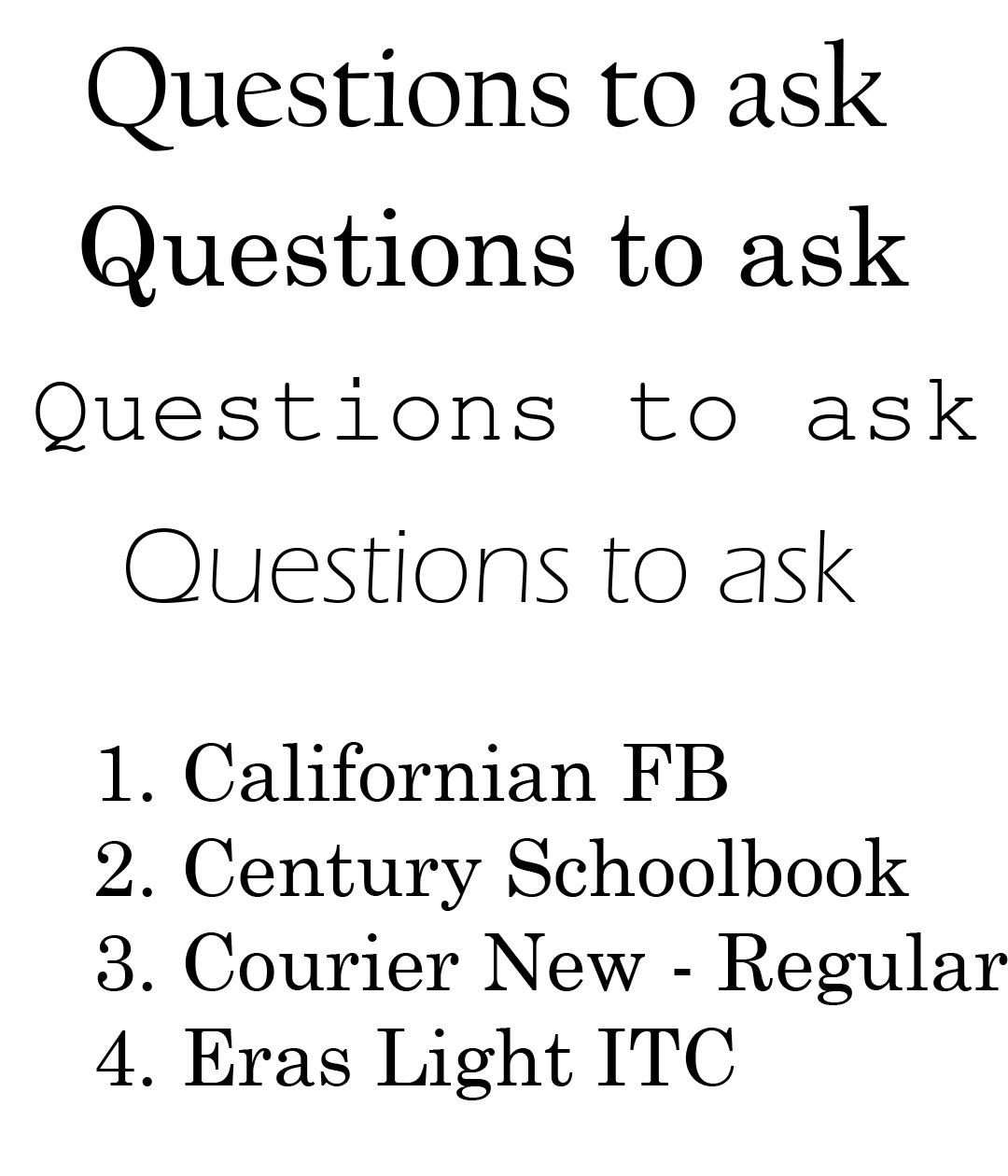
My personal favorite is the 4th one 'Eras Light ITC', I think its quite stylish and could work well for my project. The other three are other contenders but I think unless someone advises otherwise, the 4th one is a good choice for me.
Adaptation Part A - Infographic Music Choice
I've invested some real time into choosing the appropriate song for the rhythm of my infographic, after my previous tutorial with Alan I went away and researched a ton of royalty free music that could fit the feel and look I desire. I looked at uplifting piano instrumentals, the reason I thought this could work in my favor was to recognize that the topic of suicides are quite dark and sad. Having this song added to my content would hope to inspire the audience.
Over the weekend I was browsing through television channels when I saw the most recent Lloyd's banking advertisement. It uses a smooth piano instrumental and dialogue to calmly introduce its information. I wanted to also use this as my music choice, Ive had a gander at the composer's facebook page and she's kindly agreed to allow me to showcase her song in my infographic.
Tuesday, 24 January 2017
Adaptation Part A - Art Style for Infographic
-I want to use a simplistic art style that uses darker colour tones in its graphics to express statistics to the viewing audience. I thought of having a visual key linked to suicide, with each transition of text I could introduce them as a hint of an act of suicide.

So for example use this figure as an expression of suicide and then implement a question that the person should be asking themselves. Give a helpful piece of advice and then statistics to support it.


The type of simplistic designs that could be used in the infographic, Icons displaying the information i wish to provide and the transition to text could be the carrying out of a potential suicide but not ever finishing it.
Adaptation Part A - Types of Suicide Statistics
What method of suicide?
Gun Shot
Drug/Alcohol Overdose
Hanging
Poisoning
Carbon Monoxide Inhalation
Suffocation
Jumping
Exsanguianation
Electric Shock
Drowning
6,122 People died by suicide in the UK
4,630 Men (76%)
1,492 Women (24%)
4,630 Men (76%)
1,492 Women (24%)

- I could have these statistics form onto a piechart up above, that breaks down and displays the information by transitioning between the two.
Tuesday, 17 January 2017
Adaptation Part B - Questions to ask before committing suicide - Questions List
Here is a comprised list of some of the questions that could be asked in the infographic to inform the audience of the necessary thought processes that should be taken before committing such a desperate act.
- Who are you leaving behind? Consider the likely responses of those you leave behind i.e. how family and friends will react to the news of your choice to end your life, what impact it will have on them; what impact it may have on your work, business, clients.
- What method of suicide? Consider carefully how painful the selected method is, and whether your desire to die exceeds the likely pain, and risk of a failed attempt.
- What are you funeral arrangements going to be? Consider whether you wish to be buried, cremated, or leave your body to be donated to medical science.
- Have you tried everything that can help? Consider the use of prescribed anti-depressant medicines to combat the negative emotions that can push you to those lengths. Talk to someone either a family member, friend or a professional.
- What are your reasons for living?(Or what were they?) Consider not only the family and friends that you could leave behind, but the things you could achieve in the future. Have you achieved everything you wished you could?
- Is it possible things could change? Consider your immediate and long-term future, think about how you can help heal yourself and how others can feed into that also. Studies show over 90% do not eventually die by suicide.
There are two possible directions that I could choose for this infographic and I believe that a humorous approach should be reviewed also. Perhaps this could be an informative yet dark infographic. Below are some of the questions I feel could fall into that dark humor. Some questions overlap so its up to choosing which ones are the best method of engagement.
- What method of suicide? Consider carefully how painful the selected method is, and whether your desire to die exceeds the likely pain, and risk of a failed attempt.
- Who cleans up? Consider the immeasurable task of cleaning up the mess that's left behind, depends on the method chosen, talk about the procedures of cleaning up and the inappropriate waste of time it has on others around you..(Traffic?)(Quarantine?)
- What will happen to your body once you die? Consider the immediate effects, falls into place just after choosing the method of suicide. Could the face be dismembered? Could the body be pulverised? - Speak about funeral arrangements and prepping to scare off any unsure individuals.
- What will happen to those you leave behind? Consider family and friends and indeed love interests, show statistics of the effects of leaving. Depict the loneliness of the act.
- Who will be there at the funeral? Consider mentioning the potential lack of attendees at the event, or perhaps the amount of sorrow you'll be making others have.
Monday, 16 January 2017
Adaptation Part A - Idea in Progress

So for my info-graphic project I have initially decided to go along the route of creating a guide on the 'Questions to ask before committing suicide'. I feel like it would be particularly noteworthy to individuals and I think it would be crafted to get them to 'Climb off the ledge'. The experience could be humorous to audiences and have them reflect on their own experiences and ask the question if it can be fixed instead of avoided.

I think on way it can be achieved is to rig a simple 2d character fail at multiple attempts of suicides while information is being displayed in an informative way. Even though this is a 4 week project I believe creating a simple 2D blocked out character is the way forward, have the text detailing the questions to be asked before the action and then the statistics supporting that.
Example of suicide infographic

Subscribe to:
Posts (Atom)